Existing Building Survey
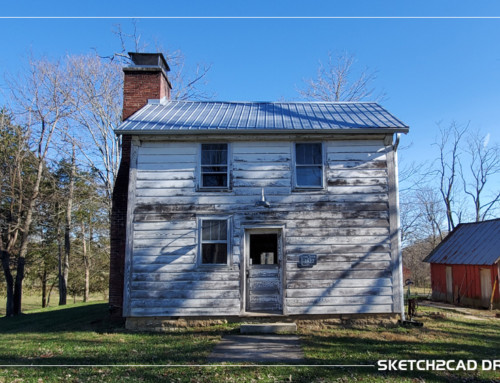
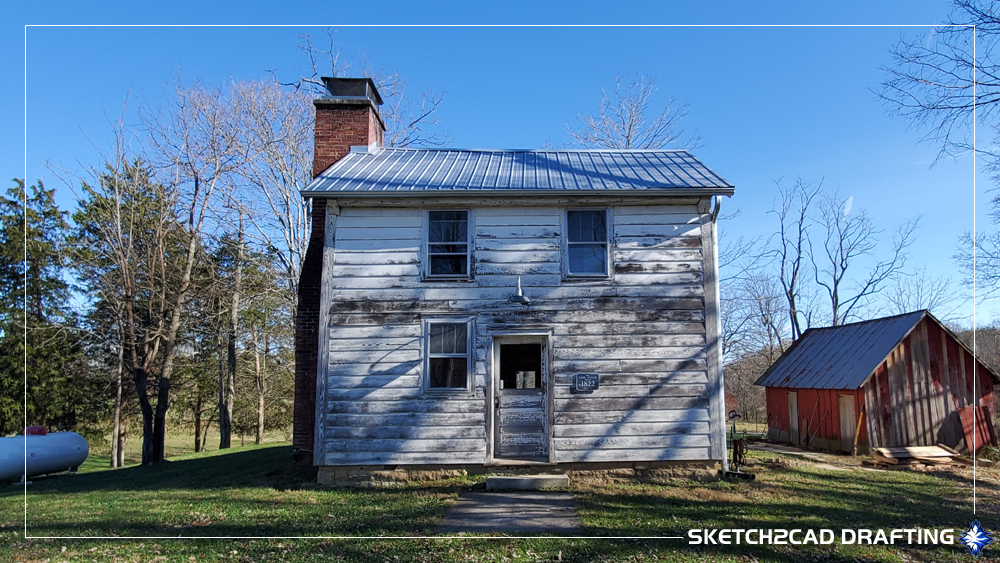
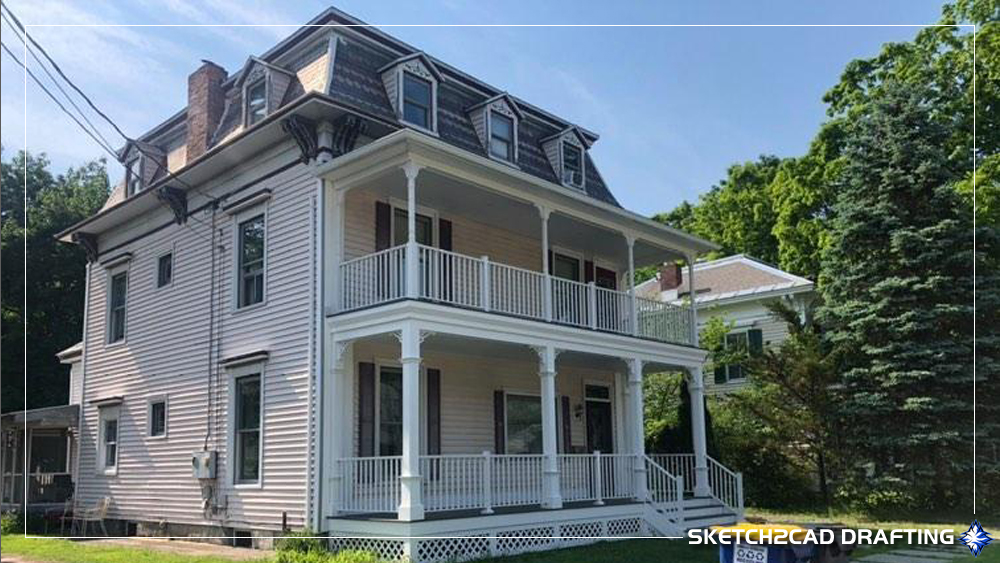
The original structure of the urban cottage project was built in the years leading up to the 1940s, designed with a traditional four-square layout. This style was characteristic of its time, offering a straightforward, boxy design that maximized practicality over decorative features. The four-square layout typically included only the basic living spaces necessary for daily life: a simple living room, kitchen, bedroom, and bathroom, all arranged to make efficient use of the available space. In an era when the economy was vastly different, homes were built with minimalism in mind—often reflecting the modest means of many homeowners.
In 1940, the United States was still recovering from the Great Depression, with the minimum wage sitting at just 40 cents per hour (or $3.20 a day before taxes). In this economic climate, the cost of constructing a brand-new home was substantial—typically no less than $4,000, which would have been an enormous investment for the average worker. The design of the house reflects this period’s economic reality, emphasizing functionality and affordability.
Fast forward to 2005, when the structure underwent a significant update. An addition was made to the property, expanding the living space to meet the changing needs of the household. Along with the addition, the roof was also replaced, bringing the home up to modern standards and ensuring its continued durability for years to come. These changes marked a shift from the home’s original, more modest design to accommodate a more contemporary lifestyle while still preserving its historical charm.
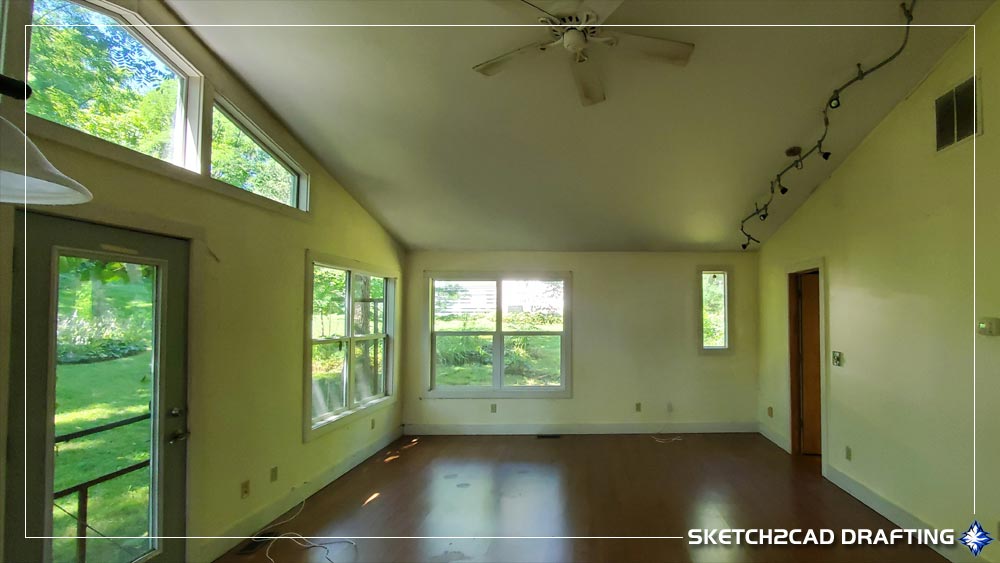
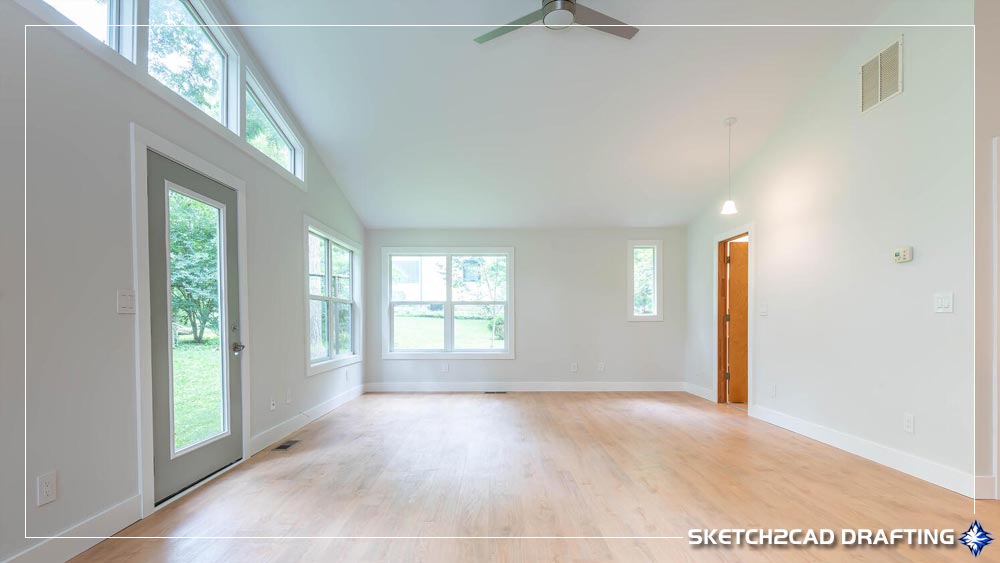
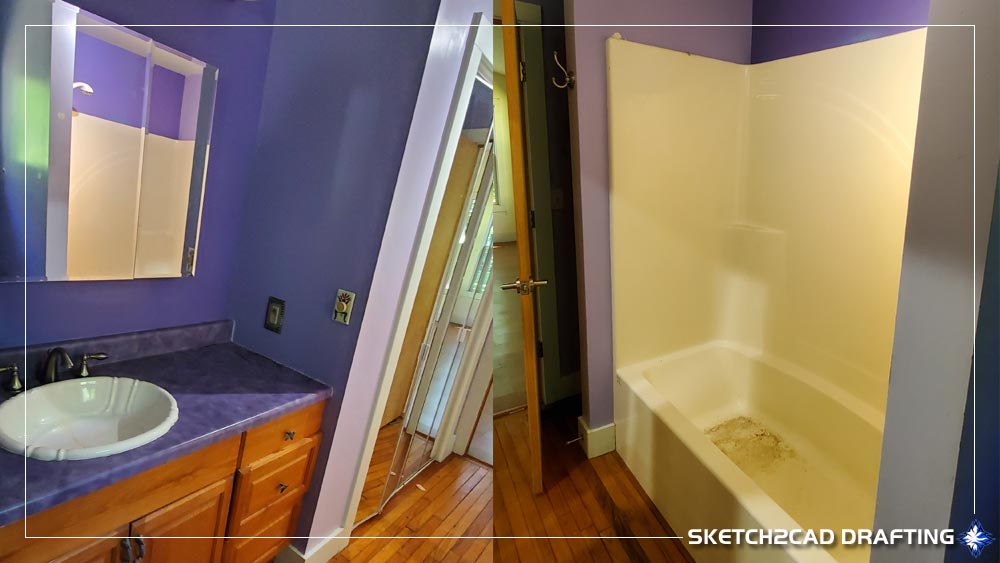
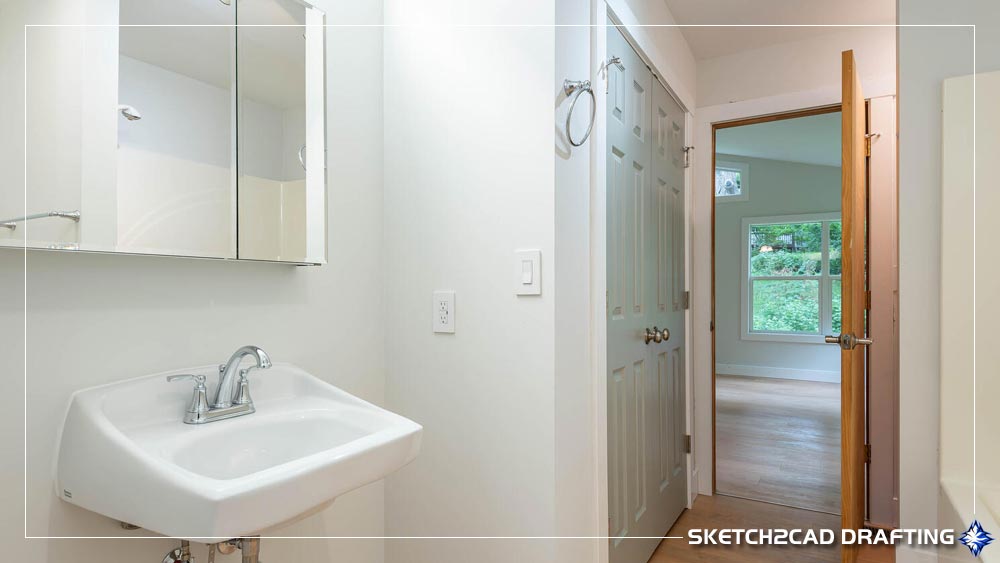
In order to move forward with the renovation, it was essential to meticulously measure and photograph the entire structure. This step is not something to be rushed or glossed over. Unfortunately, some professionals in the field might take shortcuts—quickly gathering basic measurements, producing imprecise or vague drawings, and adding a generic note like “contractor to verify existing conditions in field” to avoid doing the thorough work they were hired for. This approach might save time in the short term, but it compromises the quality and accuracy of the project, leaving room for errors and misinterpretations down the line.
We take a different approach. We prioritize doing the work the right way, taking the necessary time to ensure everything is carefully documented. Every measurement is precise, every photograph clear, and every existing condition thoroughly understood. This level of detail provides a clear, unambiguous record of the current state of the property, eliminating any uncertainty and ensuring that the project proceeds smoothly.
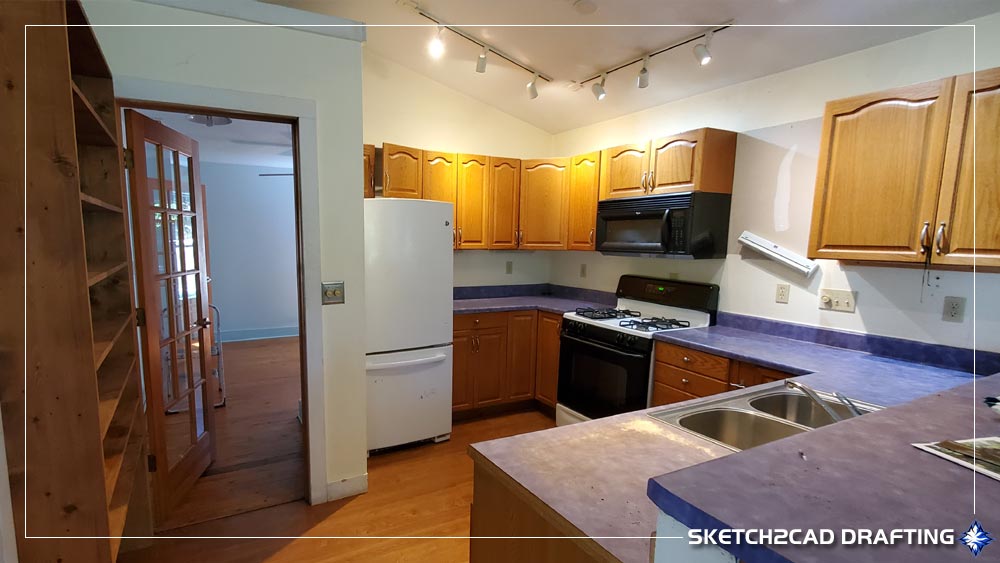
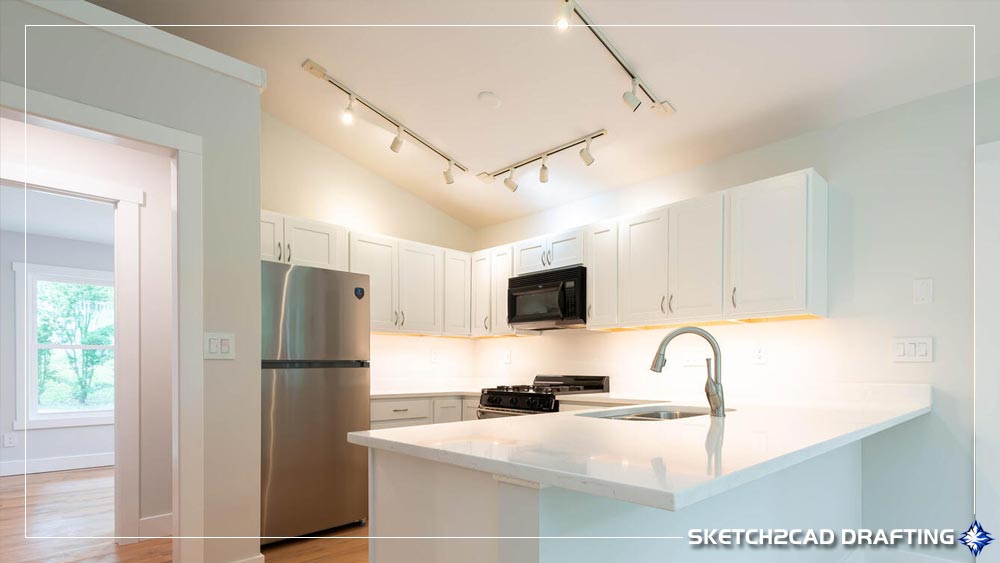
While this commitment to thoroughness may take more time and result in higher costs upfront, it’s an investment in the long-term success of the project. The extra effort ensures that there will be no surprises later on, and it reflects the professionalism that comes from more than 30 years of experience in the field. For us, getting the details right isn’t just a preference—it’s a requirement. This attention to detail is what has earned us the trust of our clients and allowed us to consistently deliver high-quality results on projects just like this one.
To ensure a smooth and clear construction process, we created detailed drawings that included both the existing and proposed elevations, floor plans, sections, and specific construction details. These comprehensive documents were designed to clearly illustrate the various phases of the project, helping contractors understand how the work would progress from start to finish. The drawings not only serve as a roadmap for the construction team but also provide a precise visual reference to ensure everyone is aligned on the project’s scope and requirements.
Once these documents were completed, they were submitted to the local building department as part of the process to acquire the necessary building permit. The building permit is a critical step in ensuring that the project complies with all local codes, regulations, and safety standards. By submitting this thorough and well-documented package, we aimed to streamline the permitting process and minimize any delays or complications, while also demonstrating our commitment to following proper procedures and maintaining high standards of professionalism.